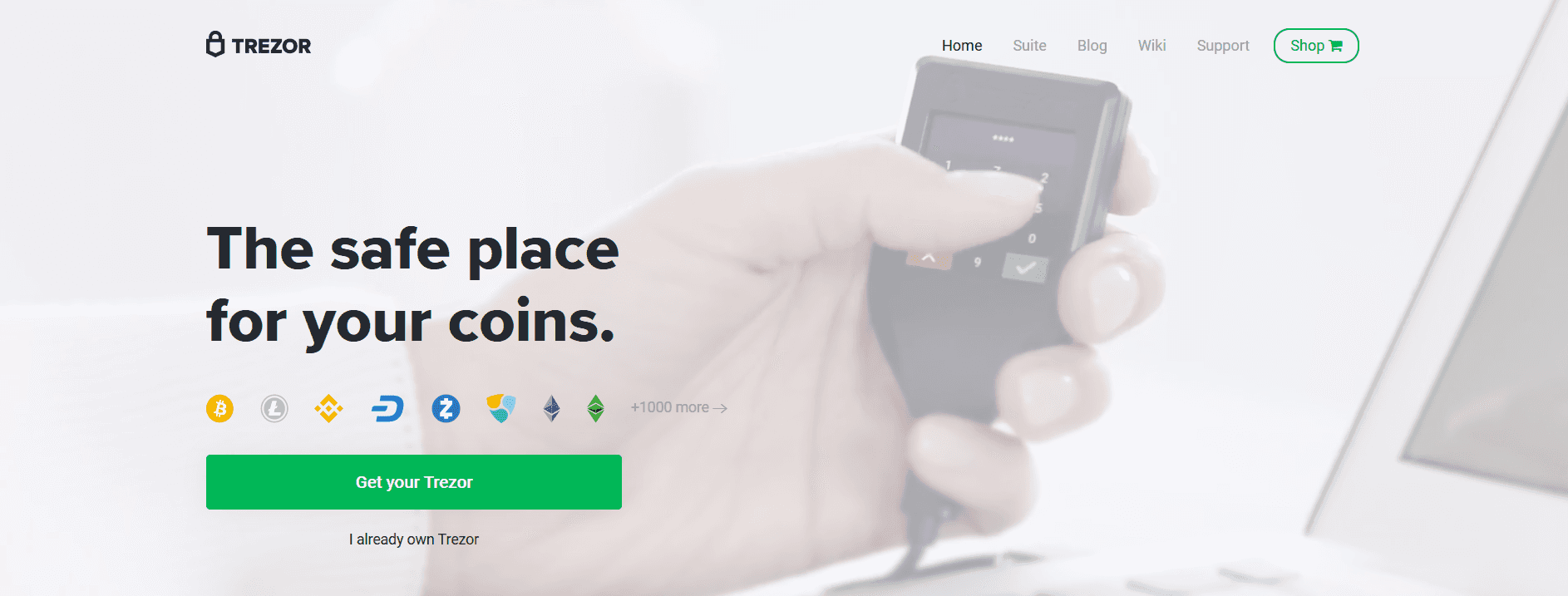
Trezor.io/start — The Ultimate Guide to Setting Up and Securing Your Trezor Wallet
Introduction: Why Secure Setup Matters
Cryptocurrency is decentralized, meaning users hold full responsibility for their assets. Unlike traditional bank accounts, there is no centralized recovery if private keys are lost or stolen. This makes security and proper setup essential from the very beginning.
Trezor.io/start is the official portal for setting up your Trezor hardware wallet. It provides step-by-step guidance, official software downloads, device verification, and security instructions to ensure your wallet is safe and fully functional.
Whether you have a Trezor Model One or Trezor Model T, starting at Trezor.io/start ensures that your cryptocurrency management journey begins securely and confidently.
Why Trezor.io/start is Important
The official Trezor portal guarantees:
Authentic Software Downloads: Prevents malware by providing the official Trezor Suite for desktop and mobile devices.
Device Verification: Confirms your Trezor is genuine and has not been tampered with.
Step-by-Step Setup: Guides you through creating a secure PIN, recording a recovery seed, and linking cryptocurrency accounts.
Security Best Practices: Educates users on phishing prevention, offline storage, and safe wallet management.
Recovery Procedures: Ensures that in the event of device loss or damage, funds can be restored securely.
By starting at Trezor.io/start, you minimize risk and maximize the security of your digital assets.
Step 1: Gather Your Materials
Before you begin the setup process, ensure you have everything ready.
Hardware
Trezor device (Model One or Model T)
USB cable (or USB-C for Model T)
Recovery seed card provided with the device
Software
Computer or smartphone with internet access
Web browser (latest version recommended)
Trezor Suite (download from Trezor.io/start)
Workspace Preparation
A private and secure workspace
Avoid public or shared computers
Pen and paper for writing your recovery seed
20–30 minutes of uninterrupted setup time
Step 2: Access the Official Portal
Open your web browser and navigate to Trezor.io/start. Avoid clicking links from emails, social media, or search engines to prevent phishing attacks.
The portal provides:
Device-specific setup instructions
Official software downloads
Wallet recovery guidance
Security instructions for beginners
Starting from the official site guarantees authenticity and reduces risk.
Step 3: Choose Your Trezor Model
Trezor.io/start will prompt you to select your device:
Trezor Model One: USB-A connection, beginner-friendly, supports major cryptocurrencies
Trezor Model T: Touchscreen interface, USB-C, supports advanced cryptocurrencies and more blockchain networks
Selecting the correct device ensures that the setup instructions and firmware updates match your model.
Step 4: Inspect Your Device
Before powering it on, perform a visual inspection:
Packaging should be intact and untampered
No preloaded recovery seed or PIN
Device should be free of scratches or damage
Device verification ensures authenticity and prevents tampered hardware from compromising your funds.
Step 5: Download and Install Trezor Suite
Trezor Suite is the official wallet management software:
Visit Trezor.io/start and download the correct version for your operating system.
Install the application on your computer or mobile device.
Launch the app and select your Trezor model.
Trezor Suite provides a secure interface for:
Viewing balances and transaction history
Sending and receiving crypto
Staking supported coins
Managing Ethereum-based NFTs
All sensitive operations are signed directly on the Trezor device to keep private keys offline.
Step 6: Connect Your Trezor Device
Plug your Trezor device into your computer (USB-A for Model One, USB-C for Model T)
Enter your PIN code on the device
Important: All transactions must be confirmed on the device itself. Your private keys never leave the hardware wallet.
Step 7: Set Up a PIN Code
A PIN secures your device from unauthorized access:
Use a 4–9 digit combination
Avoid simple sequences (1234, birthdays, repeated digits)
Memorize your PIN and never store it digitally
You will need this PIN every time you connect your Trezor.
Step 8: Create and Record Your Recovery Seed
During setup, Trezor generates a 12- or 24-word recovery seed:
Write down the words in order on the provided sheet
Store the sheet offline in a secure location
Never take photos or store it digitally
Never share your recovery seed with anyone
The recovery seed is the master key to your wallet. It allows you to restore access if your device is lost, stolen, or damaged.
Step 9: Verify Your Recovery Seed
The device will ask you to confirm certain words from your recovery seed. This verification step ensures the backup is recorded accurately and prevents permanent loss of funds.
Step 10: Add Cryptocurrency Accounts
Once your device is set up:
Open Trezor Suite
Click Add Account
Select the cryptocurrency you want to manage
Verify the account on your Trezor device
You now have full access to send, receive, and manage cryptocurrencies securely.
Step 11: Sending and Receiving Crypto
Receiving Funds
Open Trezor Suite and select Receive
Choose the desired cryptocurrency account
Verify the receiving address on your device
Share the verified address to receive funds
Sending Funds
Click Send
Enter the recipient address and amount
Confirm the transaction on your Trezor device
All signing occurs on-device to keep your private keys secure.
Step 12: Advanced Features in Trezor Suite
Once logged in, Trezor Suite offers advanced functionality:
Staking: Participate in supported networks to earn rewards
Token Swaps: Swap cryptocurrencies securely within the app
NFT Management: View and manage Ethereum-based NFTs
Portfolio Tracking: Monitor multiple accounts and cryptocurrencies
These features enhance usability while keeping security intact.
Step 13: Security Best Practices
Only download Trezor Suite from Trezor.io/start
Never input your recovery seed into websites or apps
Verify addresses on the Trezor device before sending funds
Keep your firmware updated
Disconnect your device when not in use
Following these practices ensures the highest level of protection.
Step 14: Troubleshooting Common Issues
IssueSolutionDevice not recognizedTry a different USB cable or portTrezor Suite not syncingRestart the app and check for updatesForgot PINRestore wallet using recovery seed on a new deviceFirmware updates requiredUpdate through Trezor SuiteBluetooth (Model T) issuesEnsure proper pairing and no interference
Step 15: Common Mistakes to Avoid
Storing recovery seeds digitally or online
Using weak or predictable PINs
Downloading software from unofficial sources
Sharing recovery seeds or devices
Skipping firmware updates
Avoiding these mistakes prevents theft, hacks, and permanent loss of crypto.
Step 16: Long-Term Wallet Maintenance
Regularly update firmware to patch vulnerabilities
Periodically check account activity for suspicious transactions
Use multiple secure backups for your recovery seed
Consider using an optional passphrase for extra protection
Consolidate accounts for easy portfolio management
Proper maintenance ensures your wallet remains secure and functional for years.
Conclusion: Secure Your Crypto Journey with Trezor.io/start
Trezor.io/start is the official, secure gateway to managing cryptocurrency with Trezor hardware wallets. By following the steps outlined in this guide:
Private keys remain offline and secure
Recovery seeds are safely recorded
Exposure to phishing and malware is minimized
You can safely access advanced features like staking and NFT management
Starting at Trezor.io/start provides confidence, security, and control over your cryptocurrency assets, giving you peace of mind and a solid foundation for your crypto journey.